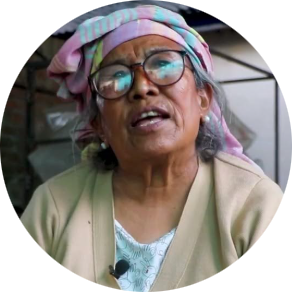
Bome Kumari Budha Magar – Nepal’s Indigenous Rights Pioneer
First Magar woman in Nepal’s Parliament, educator, and advocate for women’s empowerment.About Bom Kumari Budha Magar
Educator • Indigenous
Bome Kumari Budha Magar is a Nepalese educator, author, and indigenous rights activist whose life story embodies resilience, education, and cultural pride. Born in 1956 in Korchabang village, Rolpa District, she grew up in a remote Magar community where girls’ education was rarely encouraged.
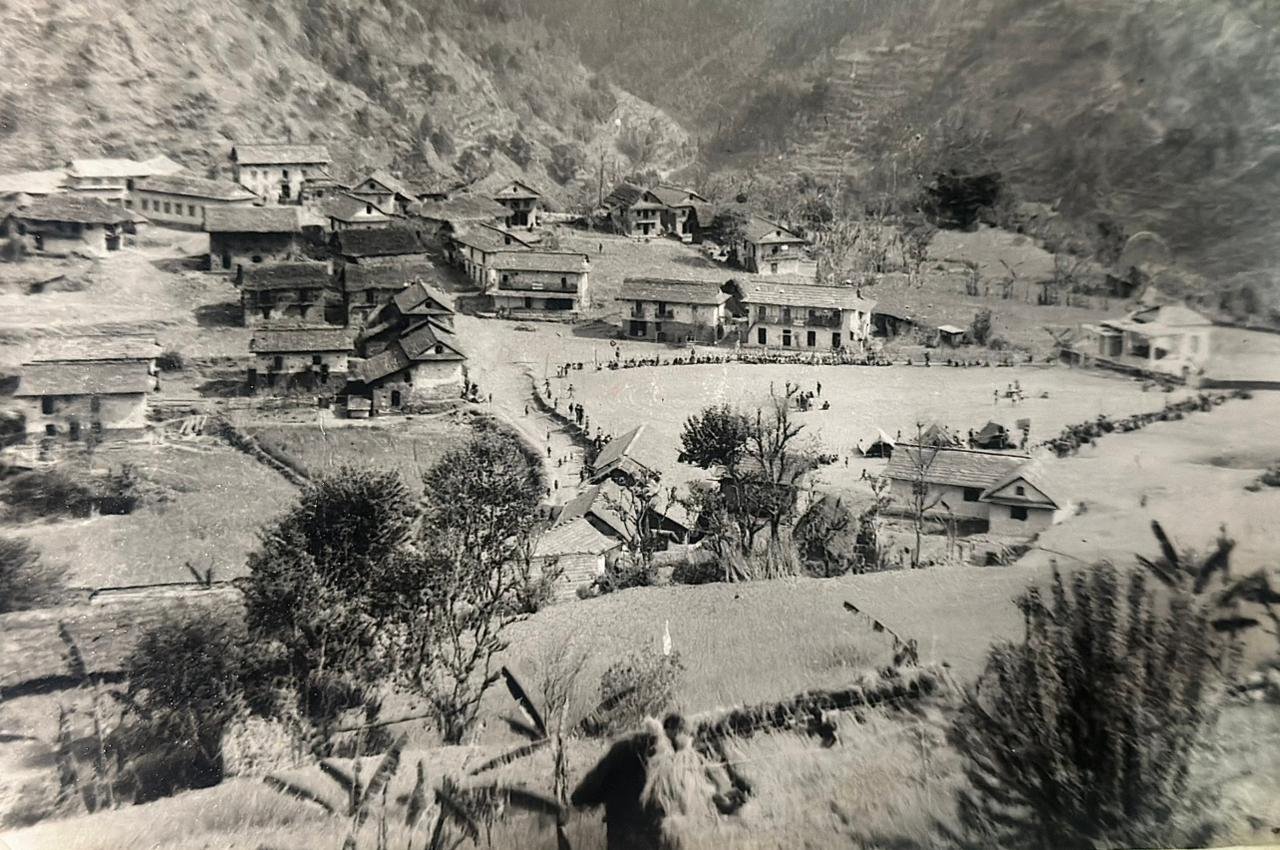
Korchabang, Rolpa – Village Landscape
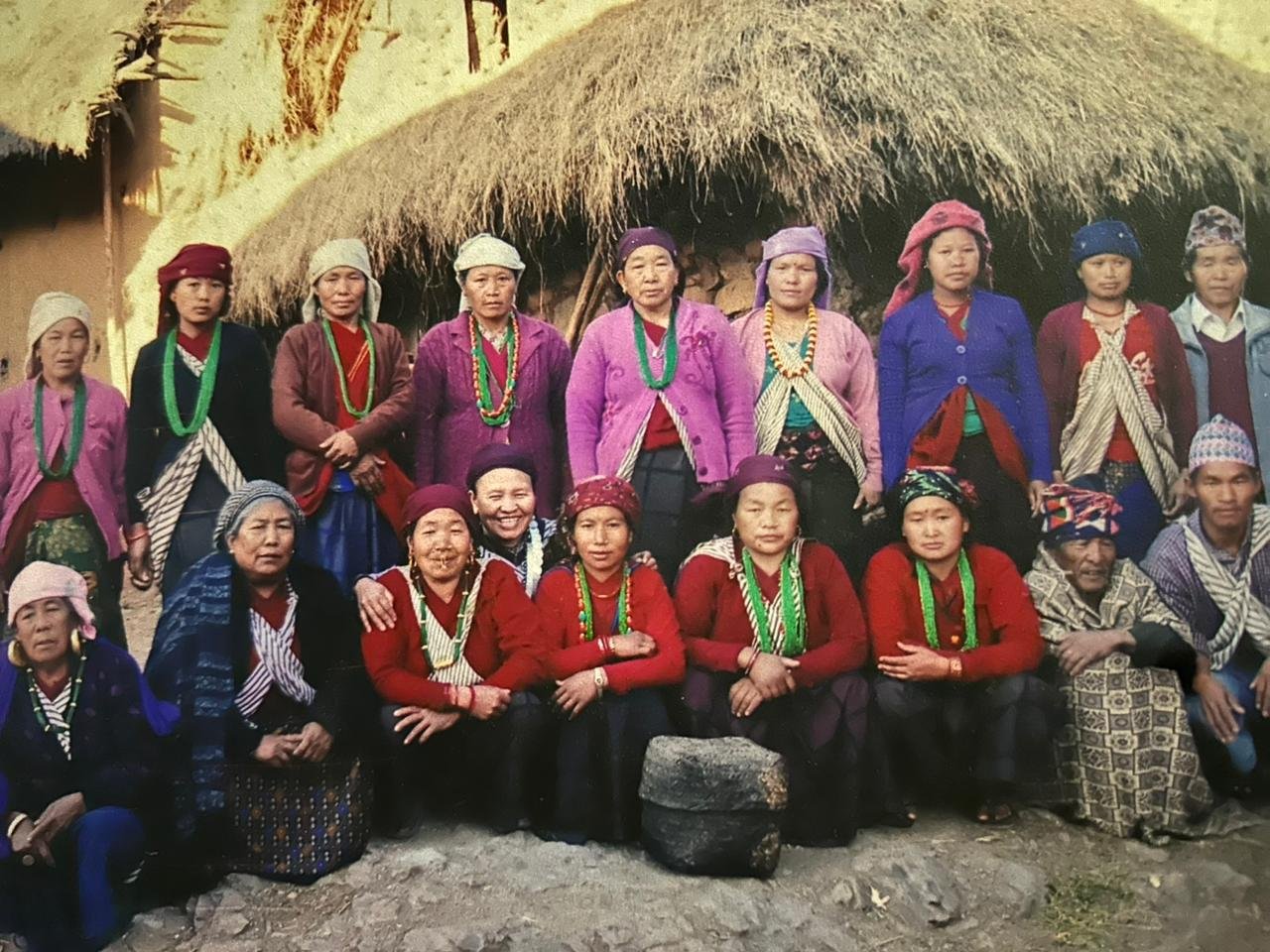
Village culture captured in front of Korchabanag home
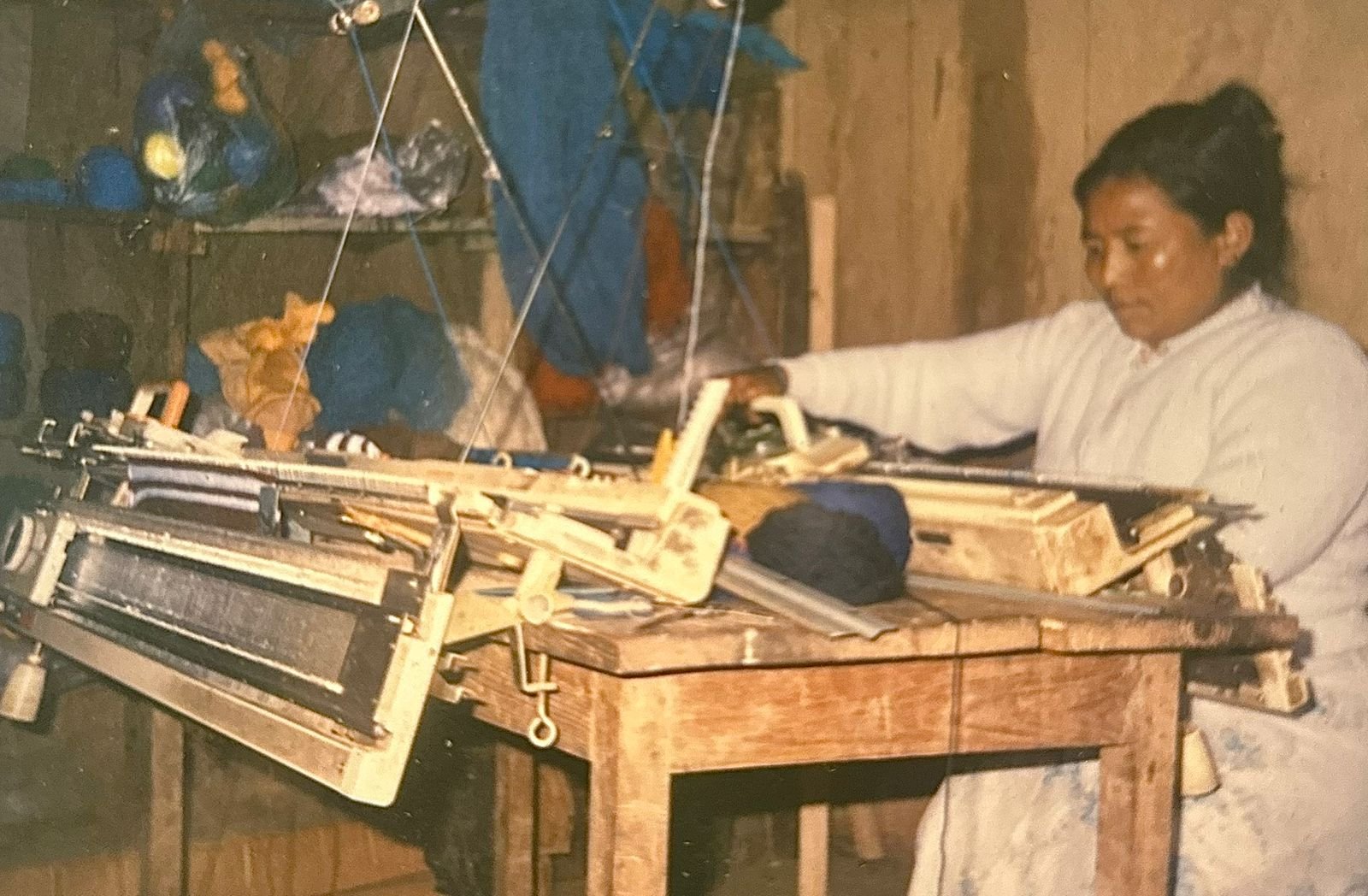
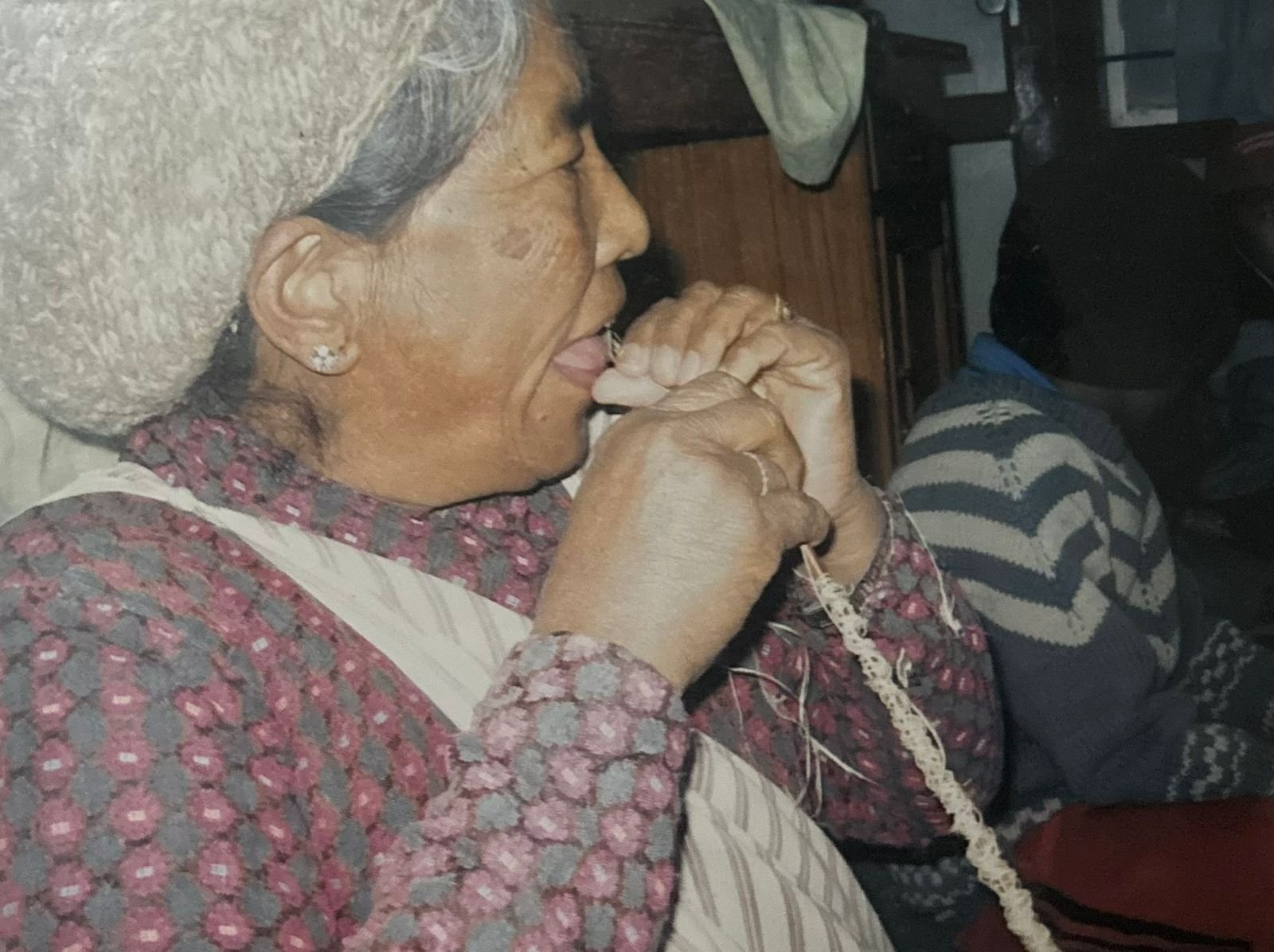
Her mother, a skilled weaver and visionary woman, became her first teacher and greatest inspiration. “For me, my mother was a university in herself,” Bome Kumari recalls. “We all learn our indigenous knowledge from our mothers.” Guided by her mother’s determination, she was sent to Dang to attend school—an act that defied traditional norms and opened new doors for women in Rolpa.
Korchabang, Rolpa – Village Landscape
Village culture captured in front of Korchabanag home
A Historic First in Education
In 1973 (2030 B.S.), at just 17 years old, Bome Kumari Budha Magar became the first girl from Rolpa to pass the School Leaving Certificate (SLC) examination. This groundbreaking achievement sparked pride and conversation across the district, marking the beginning of women’s formal education in her community.
After completing her studies at Padmodaya High School in Dang, she returned to Rolpa and worked as a schoolteacher for two years, helping other children—especially girls—gain access to learning.
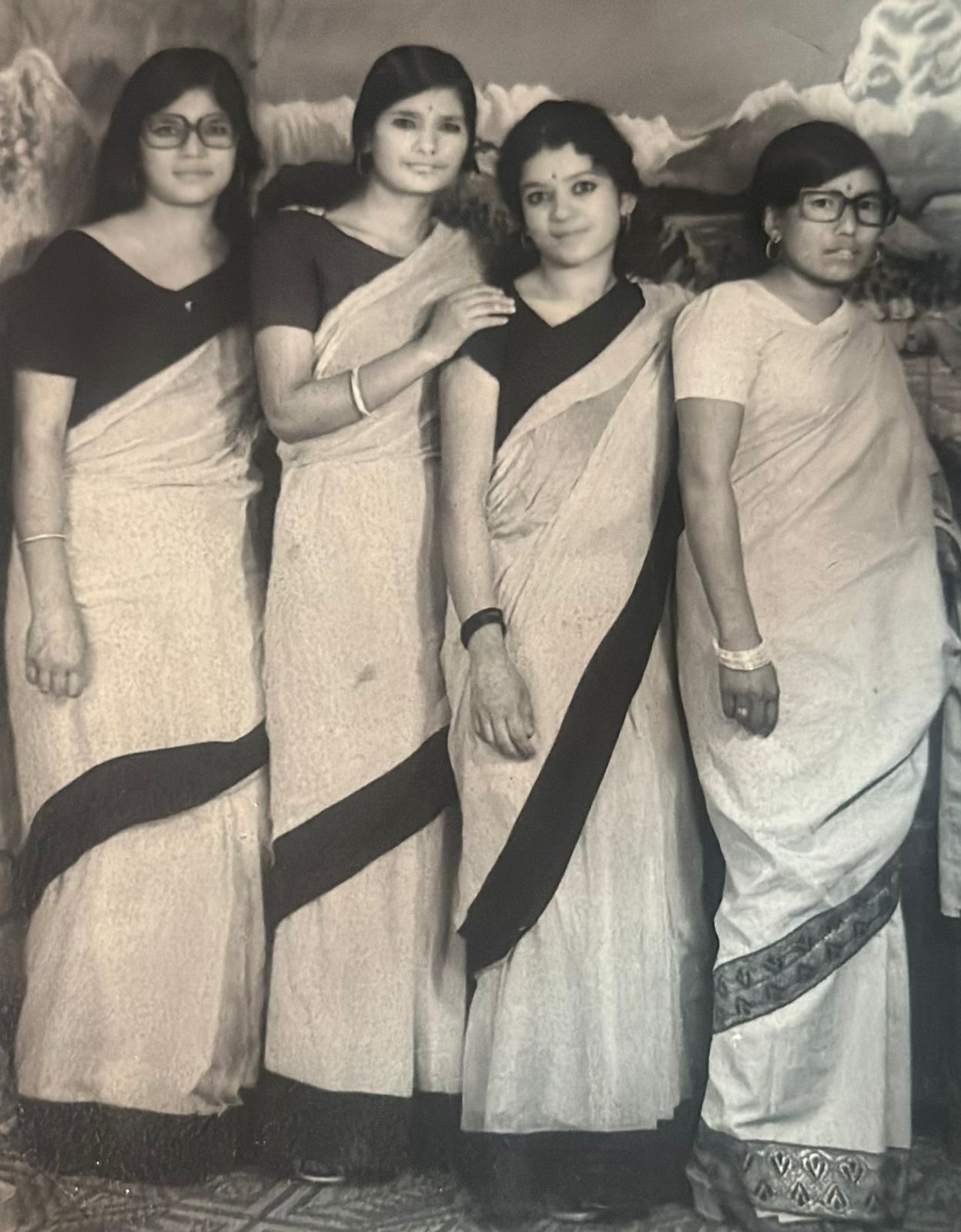
The only girl among her classmates, photographed during her school years in the early 1970s. As the first woman from Rolpa to pass the SLC examination, she stood as a symbol of courage and progress in a time when girls’ education was rare in the region.
The original SLC examination card form from 1973 (2030 B.S.), issued by the Ministry of Education, Nepal.
Higher Education and Political Leadership
Her journey of education continued with an Intermediate in Education (I.Ed.) and later a Bachelor’s degree, completed by 1988 (2044 B.S.). While studying, she entered the public sphere, breaking barriers once again.
From 1982 to 1986, she served as a Member of the Rastriya Panchayat (National Parliament), becoming the first Magar woman to serve in Nepal’s Parliament. Representing Rapti Zone, she advocated for indigenous rights, gender equality, and social justice during a period when women’s voices were rarely heard in national politics.
After completing her studies at Padmodaya High School in Dang, she returned to Rolpa and worked as a schoolteacher for two years, helping other children—especially girls—gain access to learning.
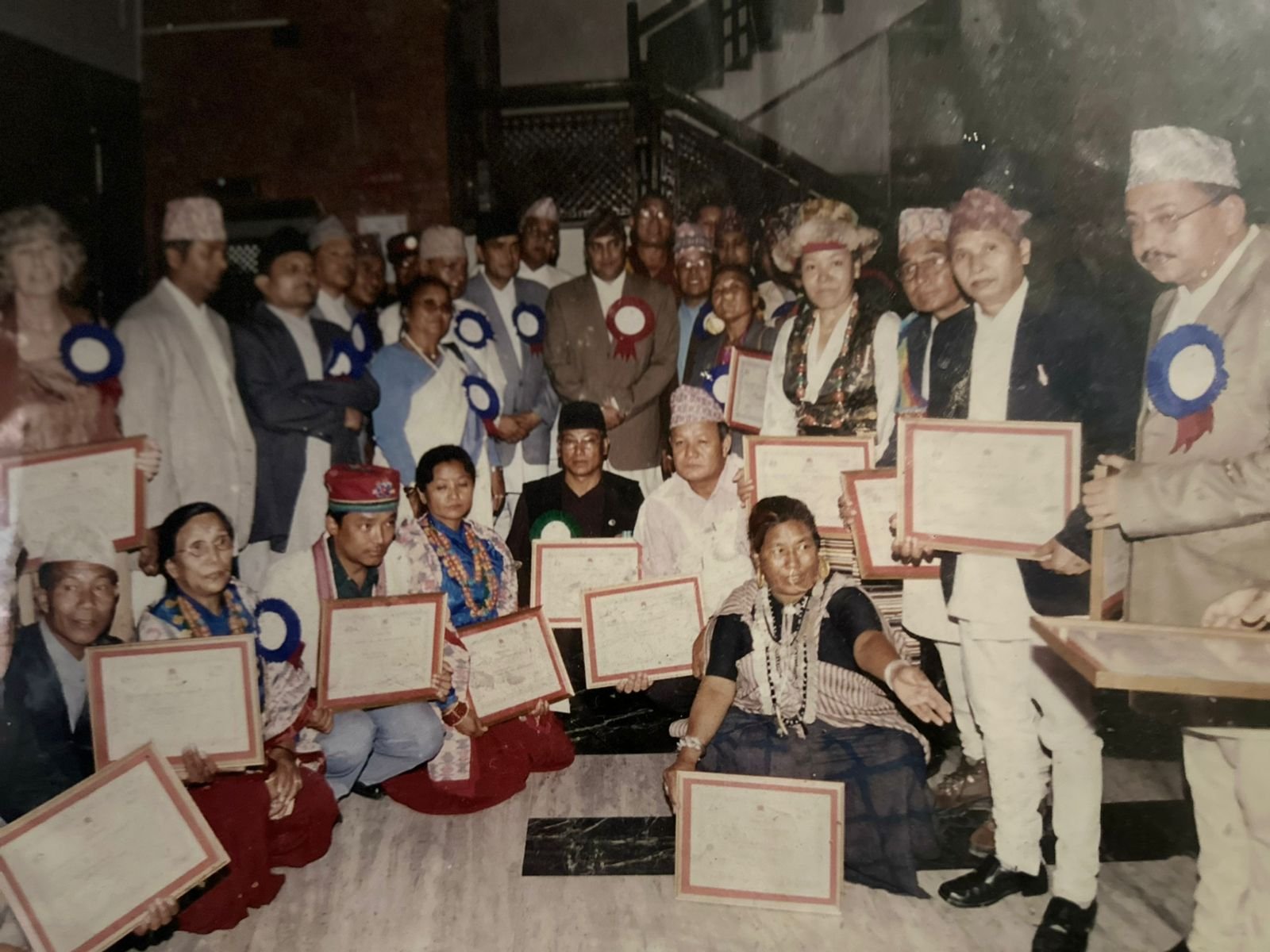
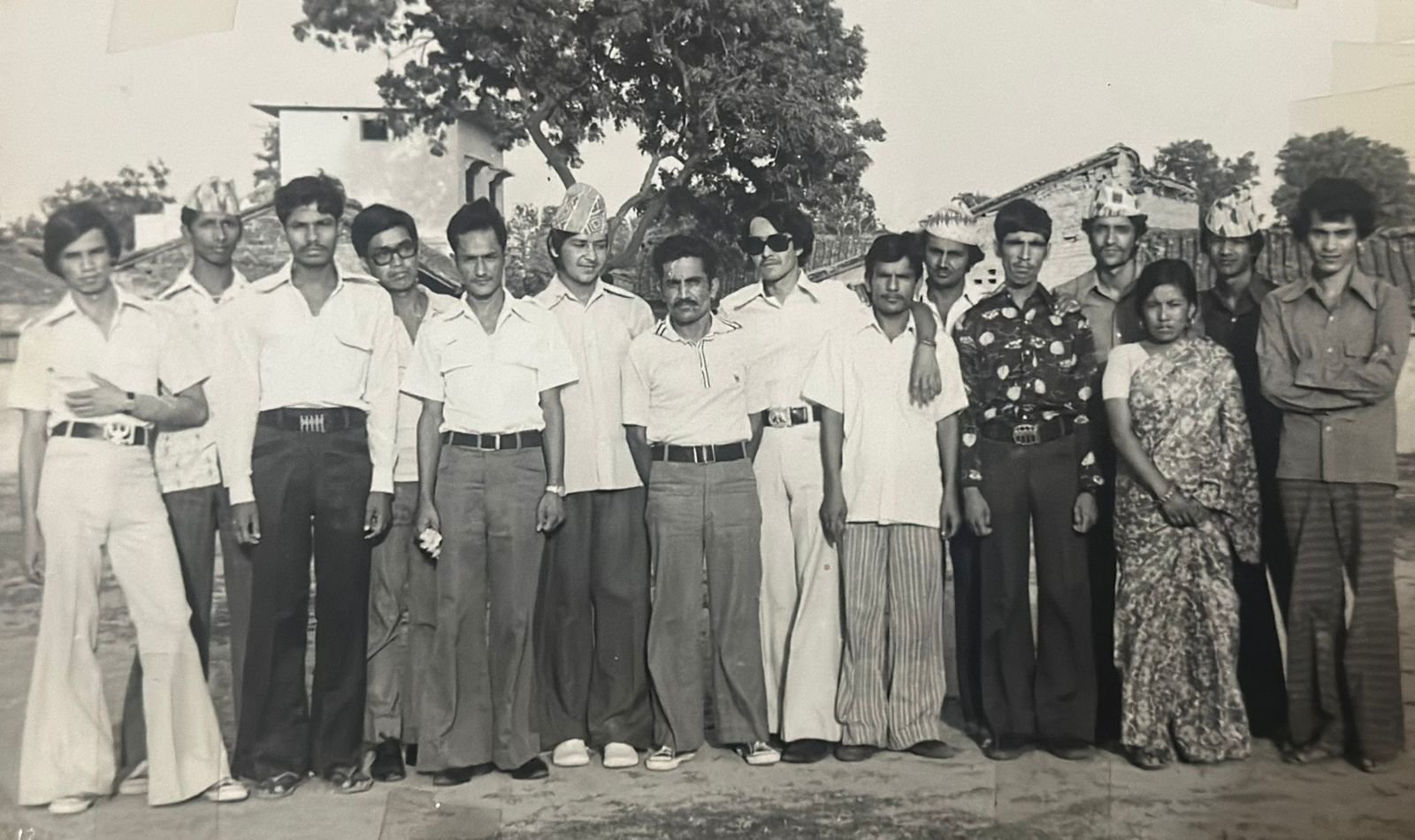
Picture with fellow Rastriya Panchayat members during an official certificate presentation conducted in the era of King Birendra’s leadership.
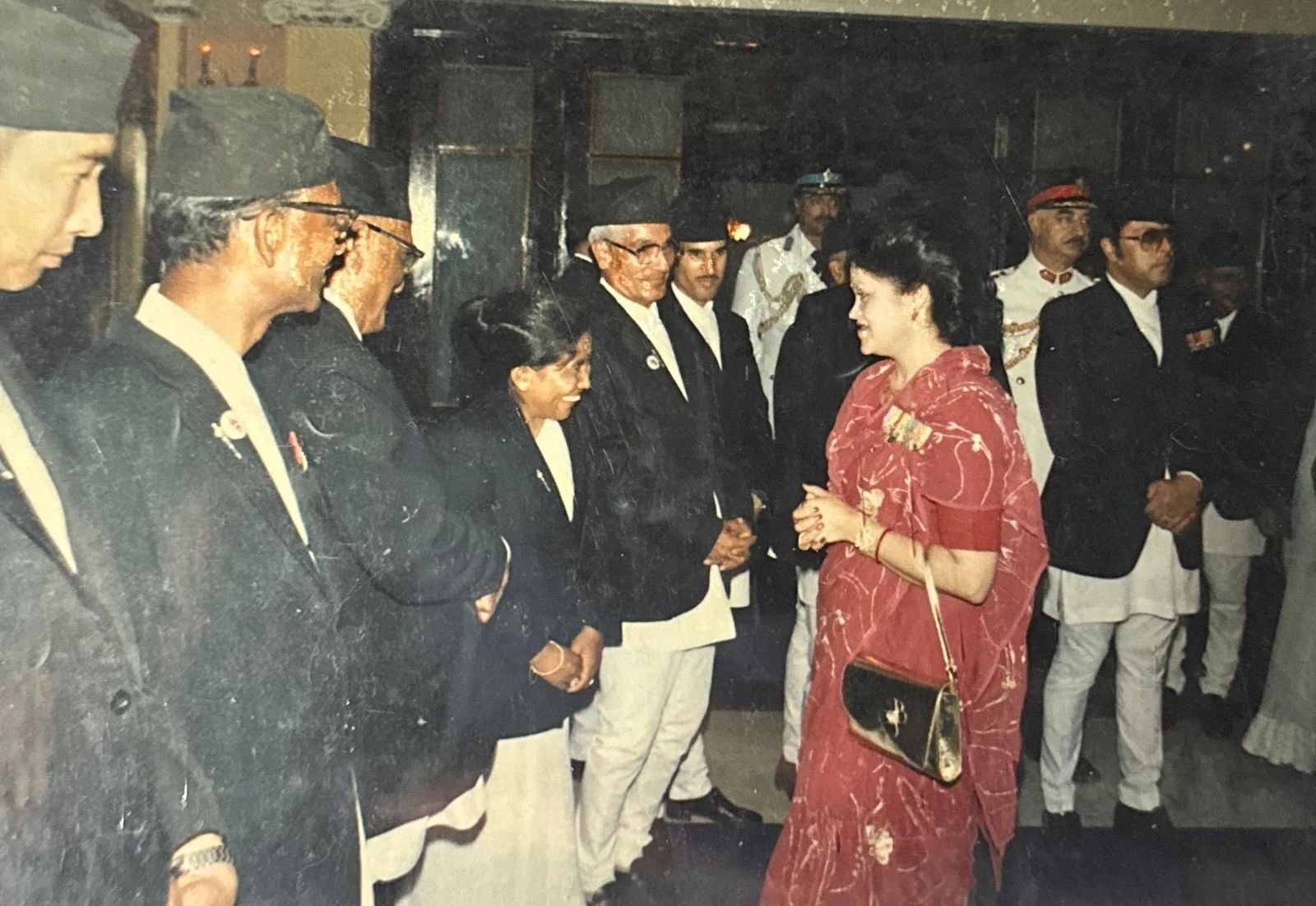
A gathering of Rastriya Panchayat members, including Bome Kumari Budha Magar, at an official event attended by Queen Aishwarya.
After the end of the Panchayat era, Bome Kumari briefly joined the Samajik Loktantrik Party (Social Democratic Party), but soon shifted her focus toward social activism.
She founded and led the Nepal Magar Women’s Association, an organization dedicated to uplifting Magar women through education and empowerment. She also served as the President of the Athara Magarat Magar Association, promoting the preservation of Magar language, traditions, and history.
Her leadership continued as the Chairperson of the Nepal National Ethnographic Museum, where she worked to document and promote Nepal’s diverse cultural heritage. In 2015, she represented the museum at a national exhibition on Kirat traditional dress, reflecting her lifelong passion for preserving indigenous identity.
Scholar, Author, and Lifelong Learner
Bome Kumari has written and published several works on Magar culture, language, and history, earning recognition as a respected indigenous scholar and cultural historian. Even as she faced health challenges, including Parkinson’s disease, her commitment to learning never faded.
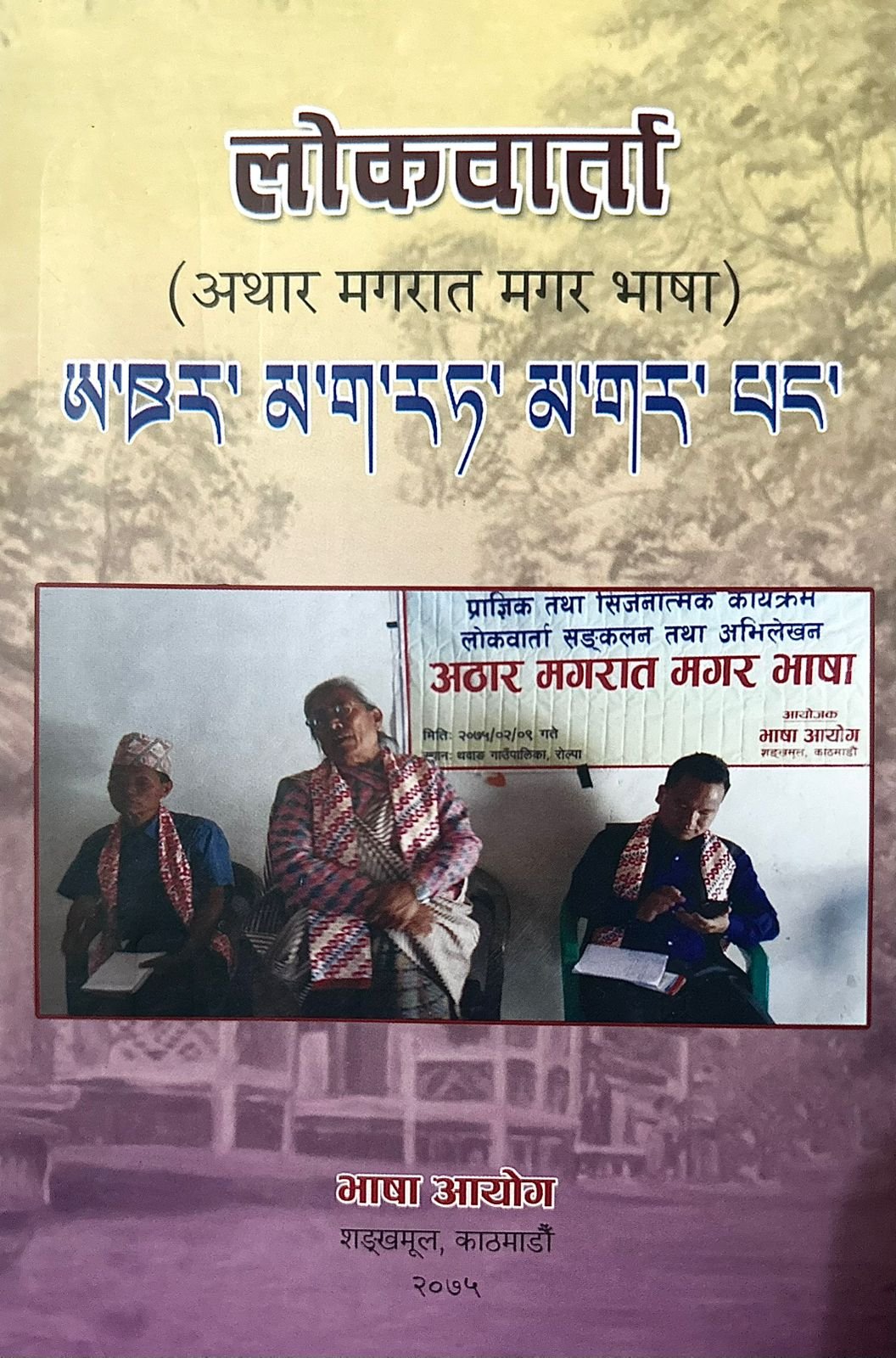
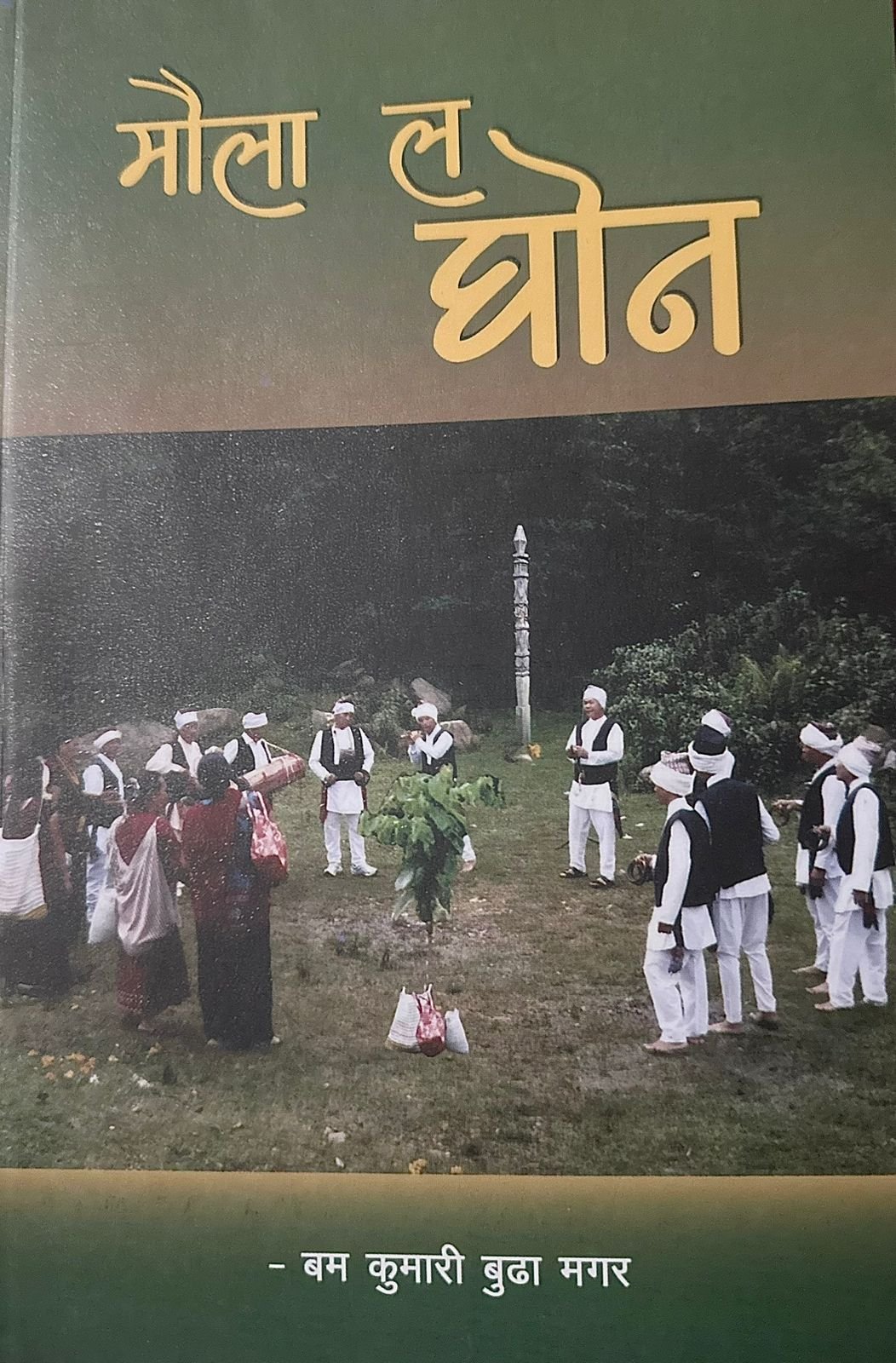
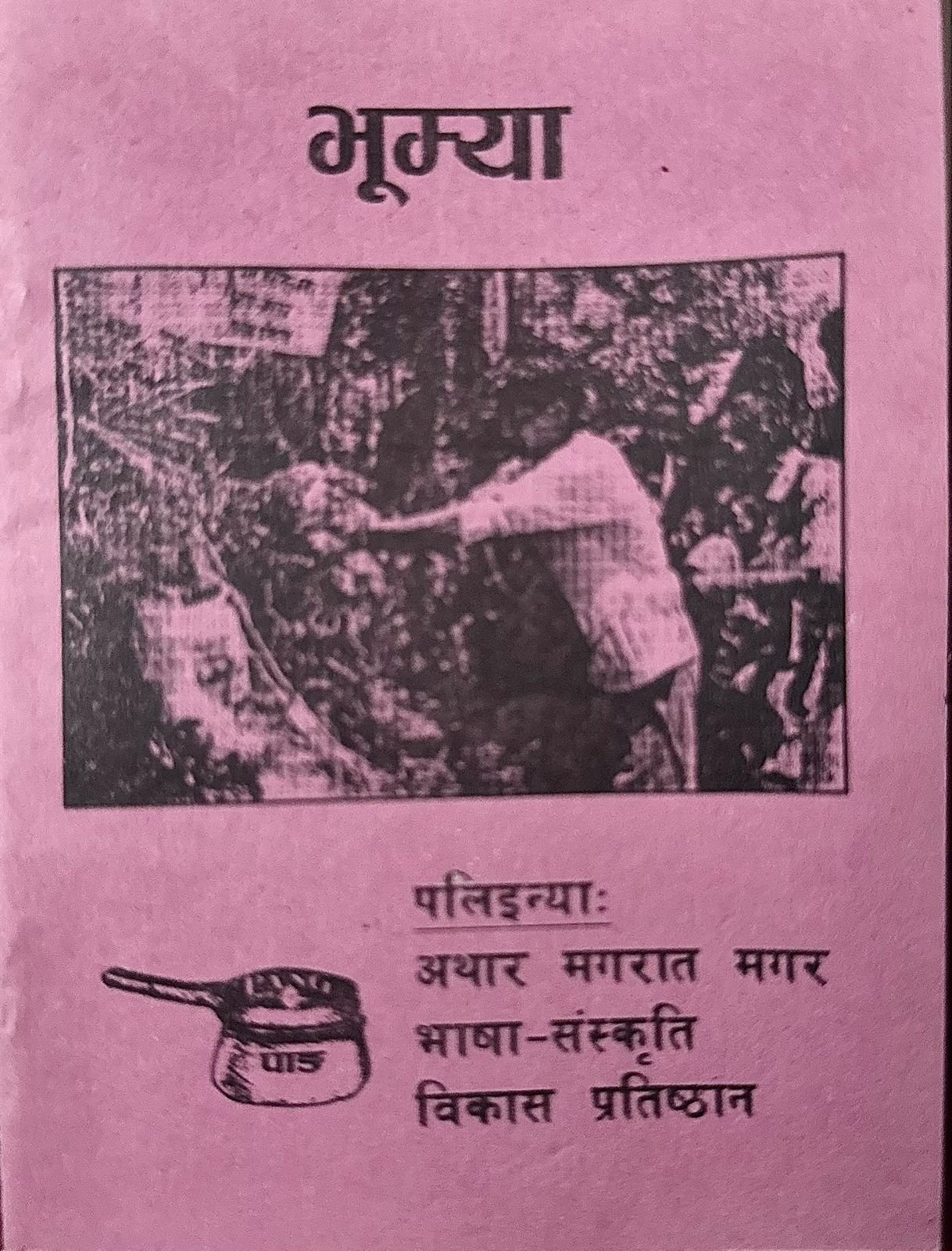
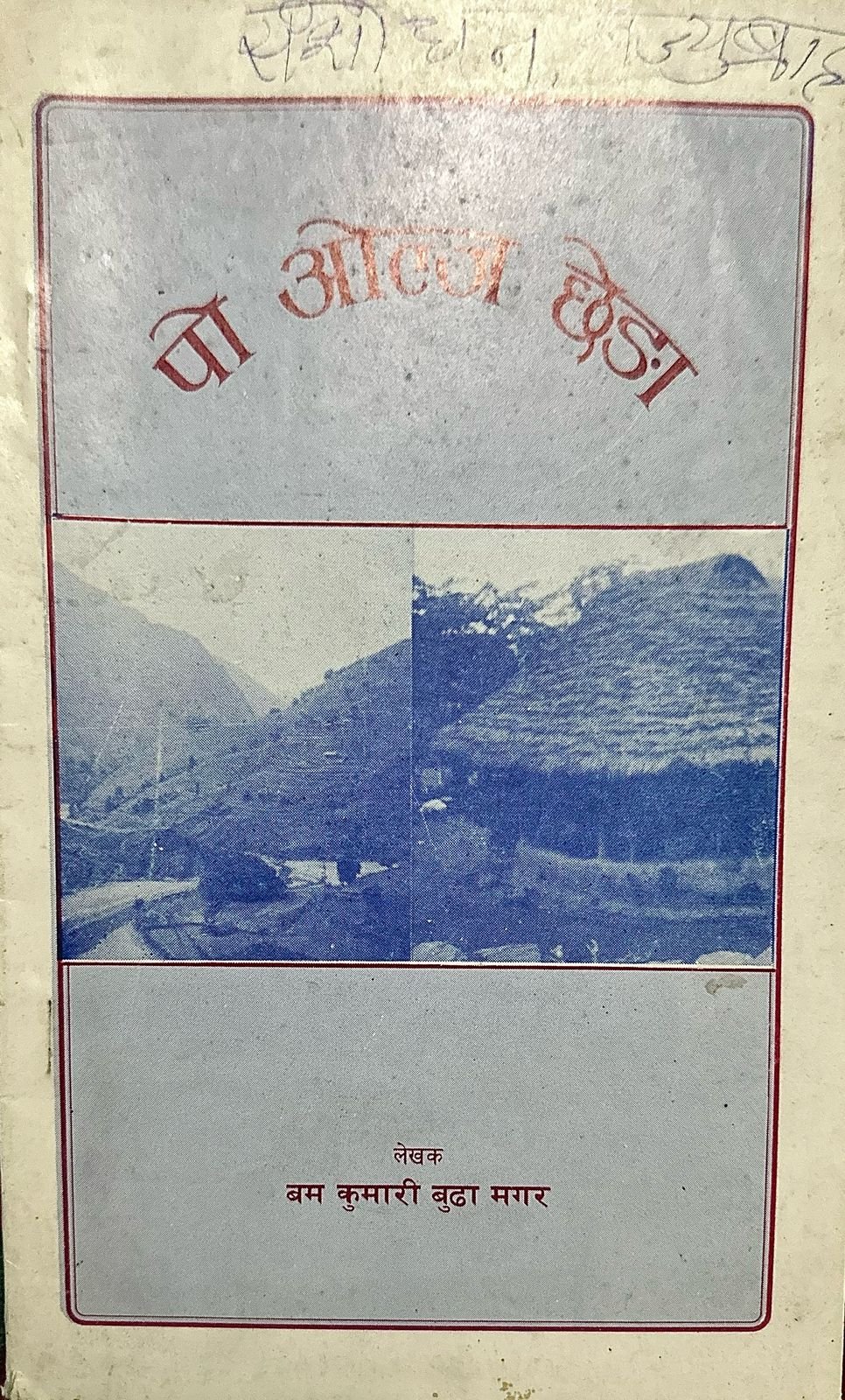
Several Publications: Books and Articles written by her
In 2023, at the age of 72, she completed her Master’s degree in Sociology from Tribhuvan University—a moment that captured national admiration. Many mistook her for a guest at the convocation ceremony, only to be moved when she proudly donned her own cap and gown.
Her story became a powerful symbol of lifelong learning, proving that education has no age limit. She continues to read, write, and inspire new generations with her message:
“You must make time if you truly wish to study.”
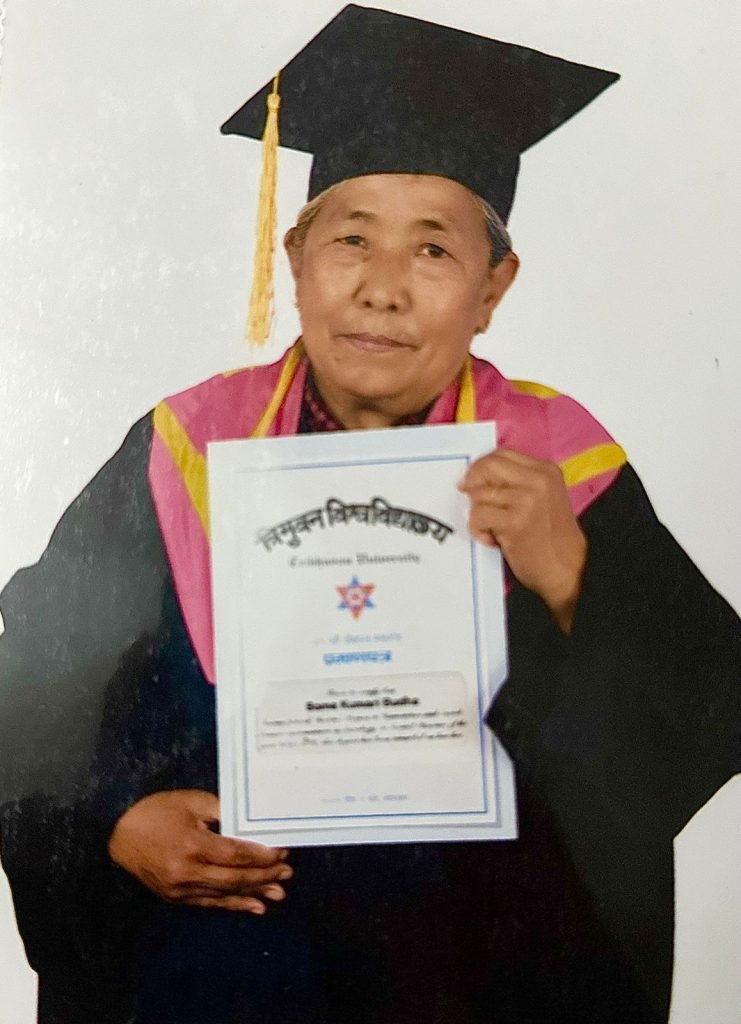
At 72, Bome Kumari Budha Magar celebrates earning her Master’s degree in Sociology
Continuing the Legacy
Today, Bome Kumari Budha Magar is working on a new book about Magar language, culture, and identity, continuing her lifelong mission to preserve indigenous heritage.
From a small village in Rolpa to the halls of Parliament and the university stage, Bome Kumari Budha Magar’s life is a testament to perseverance, cultural pride, and the power of education.